Introduction
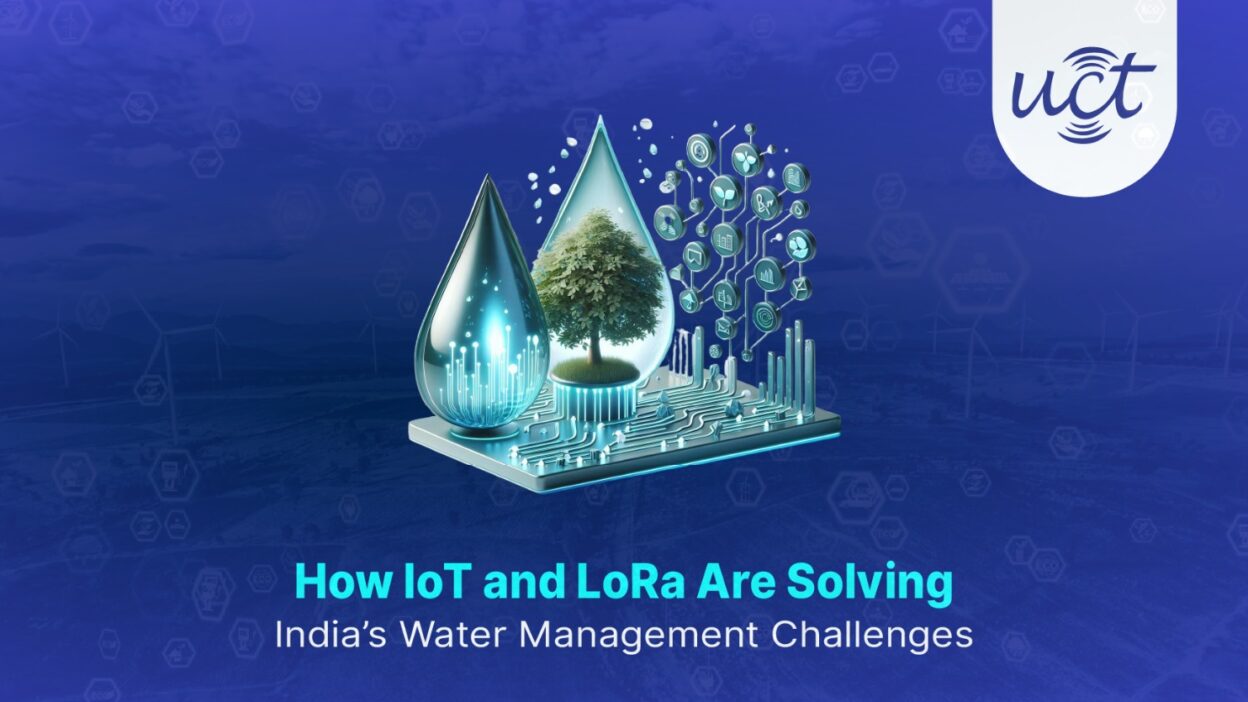
India is grappling with a severe water crisis. Every day, millions of liters of water are wasted due to aging infrastructure, leakages, inefficient usage, and uneven distribution. This escalating problem threatens water security for millions of people, especially as urbanization and population growth increase demand. What if technology could change the story? What if every drop of water could be tracked, monitored, and conserved effortlessly? This is where Smart Water Management powered by IoT and LoRa technology steps in—offering a transformative solution to India’s water woes.
Understanding the Water Challenge in India
India loses about 30-50% of its water through leakages and theft before it even reaches consumers, with Non-Revenue Water (NRW) rates soaring in many cities. Traditional water management relies heavily on manual processes, outdated meters, and no real-time monitoring, making leak detection and water loss prevention difficult. As a result, water scarcity worsens, and inefficient billing affects utilities’ revenue.
| Key Water Challenge | Impact in India |
| Non-Revenue Water (NRW) | 30-50% water loss in urban networks |
| Leakage Detection | Mostly manual, delays fix by weeks |
| Metering Accuracy | Low due to old mechanical meters |
| Urban Water Demand Growth | Over 600 million people in cities by 2031 |
These issues underline why smart water management is urgently needed.
What Is Smart Water Management?
Smart Water Management (SWM) involves using digital technologies to monitor, analyze, and control water networks actively. It integrates IoT sensors, smart meters, and data analytics, enabling utilities to detect leaks early, optimize water distribution, and improve billing accuracy. Unlike traditional methods, SWM operates in real-time, reducing wastage and enabling predictive maintenance.
Components of Smart Water Management
- Smart Water Meters: Digital meters that provide real-time, accurate water usage data remotely.
- Leak Detection Sensors: Devices placed across pipelines to monitor flow and pressure, alerting authorities instantly to leaks.
- IoT Platforms: Centralized systems aggregating data for analysis, visualization, and automated decision-making.
The Role of IoT in Water Monitoring
IoT enables continuous monitoring of water infrastructure. Sensors send detailed data on flow rates, pressure, tank levels, and consumption patterns to cloud platforms. This access to real-time information allows utilities to:
- Identify leaks before they become severe.
- Adjust water flow to match changing demand.
- Deliver accurate bills based on actual usage.
- Facilitate remote valve control and maintenance alerts.
By automating these tasks, IoT reduces manual intervention, enhancing efficiency and sustainability.
Why LoRa and LoRaWAN Are Ideal for India
LoRa (Long Range) technology is a wireless communication method that excels in low-power, long-distance data transmission. LoRaWAN, the network protocol for LoRa devices, is perfect for India’s diverse geography, including remote rural areas with limited cellular coverage.
Benefits of LoRa Technology
- Wide Coverage: Can transmit data several kilometers, effective in both urban and rural contexts.
- Low Energy Consumption: Sensors have batteries lasting 5-10 years, minimizing maintenance.
- Cost-Effectiveness: Lower infrastructure and operating costs compared to cellular networks.
- Reliable: Operates independently of cellular or Wi-Fi networks, ensuring robust data transmission.
| Feature | LoRa/LoRaWAN | Cellular/Wi-Fi |
| Range | Up to 15 km | 100 meters to 2 km |
| Battery Life | Up to 10 years | Few days to weeks |
| Cost | Low | High |
| Network Dependency | Independent | Dependent |
These features make LoRa ideal for connecting smart water meters and leak sensors spread over vast and varied terrain.
Real-World Applications and Case Studies
Smart Water Meters
They replace manual readings, delivering accurate consumption data to utilities and customers through wireless networks. This improves billing accuracy by up to 90-95% and empowers consumers to track their usage, reducing wastage.
Leak Detection Systems
Hidden leaks account for much water loss. Sensors detect pressure drops or abnormal flow, triggering immediate alerts for repairs. For example, LoRaWAN leak detection in Indian cities has led to water savings of up to 40%.
Remote Monitoring
Water bodies, pumps, and tanks can be monitored remotely. Authorities receive real-time dashboards showing metrics like flow rate, water quality, and tank levels, enabling quicker responses and better resource allocation.
Case Study: Smart Water Projects in India
Several Indian cities and utilities are deploying IoT-LoRa solutions. Combined with AI analytics and GIS mapping, these projects have demonstrated reduced water loss, improved infrastructure management, and enhanced customer satisfaction.
Challenges in Adoption and How They Are Overcome
Despite benefits, challenges remain:
- Infrastructure Gaps: Many areas lack reliable power or internet. LoRa’s low power, network independence help mitigate this.
- Initial Costs: Installation and training demand investment, addressed through government subsidies and public-private partnerships.
- Data Security: IoT devices risk cyber threats; advanced encryption and regular audits enhance security.
- Regulatory Hurdles: Policymakers are increasingly promoting IoT adoption through missions like Jal Jeevan and Smart Cities, easing restrictions.
How Smart Water Management Aligns with Government Initiatives
India’s Jal Jeevan Mission and Smart Cities Mission emphasize sustainable water use and infrastructure modernization. IoT and LoRa-based smart systems align perfectly by providing data transparency, improving supply-demand balance, and encouraging water conservation nationwide.
Key Takeaways
- India loses almost half its water before use, leading to water scarcity and financial losses.
- Smart Water Management powered by IoT and LoRa delivers real-time monitoring, leak detection, and automated control.
- LoRa technology uniquely suits India’s geography with its long-range and low-power advantages.
- Growing government support, company innovations, and successful projects demonstrate a promising future.
- Adoption challenges exist but are being addressed through technology and policy evolution.
Smart Water Management with IoT and LoRa is not just a trend; it’s a critical pathway to a water-secure India. Embracing these technologies ensures every drop is counted, conserved, and delivered efficiently transforming India’s water landscape sustainably.