Introduction: The Urgent Shift Every Indian Factory Needs
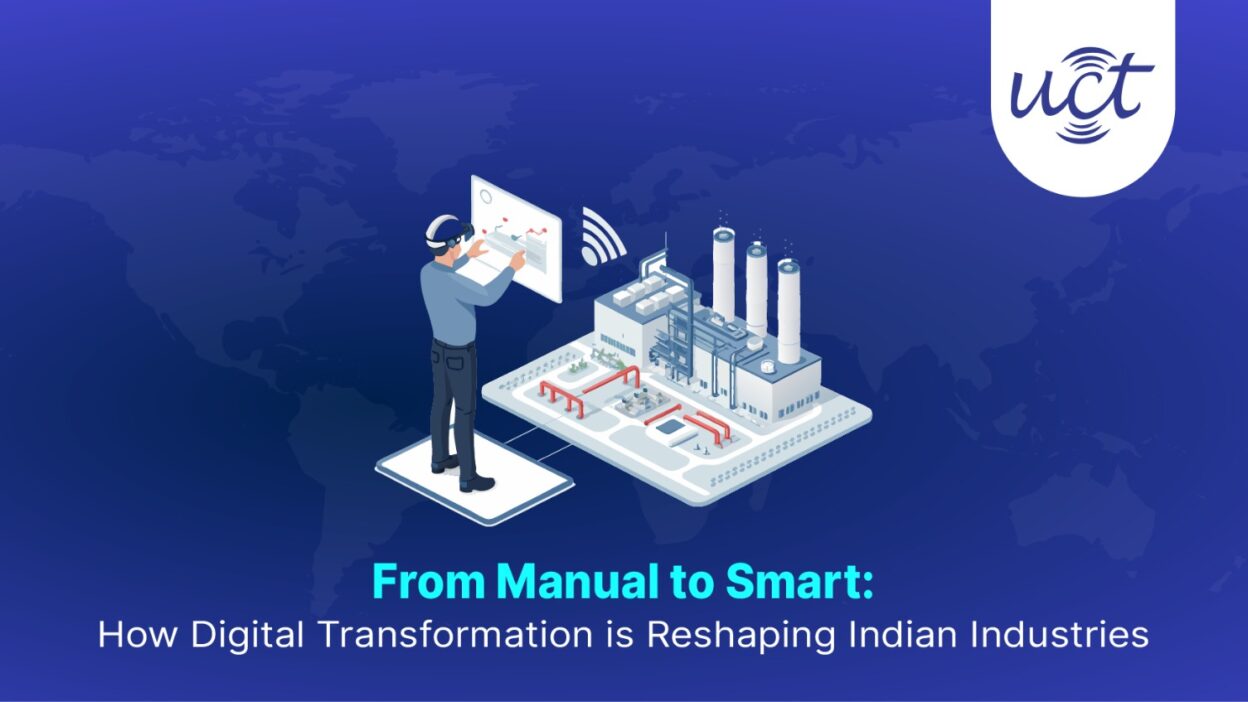
Digital transformation in industries is now the top priority for Indian manufacturers. Automation, IoT solutions, and smart manufacturing are not just buzzwords—they are real strategies with the power to boost efficiency, cut costs, and prepare your business for the future. Today, industries that stay manual risk falling behind while digitally transformed enterprises take the lead. Whether you run a plant in Pune or a workshop in Gujarat, this guide will show you how to move from outdated practices to industry-leading smart operations.
Why Digital Transformation in Industries is Crucial
What does digital transformation mean for Indian industries? It’s all about shifting from manual work and paperwork to automated, connected, and data-powered processes. This change brings big opportunities:
- Efficiency and Speed: Smart factories react faster and run smoother—no more missed deadlines or slow decision-making.
- Global Competitiveness: Being digital means meeting international standards, winning new business, and joining global supply chains.
- Lower Costs: Automation and IoT reduce waste, energy use, and expensive downtime.
- Customer Trust: Digital transparency means better quality control and improved customer outcomes.
Most industries face common challenges: high operating costs, variable quality, supply chain headaches, and workforce shortages. By embracing digital transformation, Indian manufacturers can overcome these and future-proof their businesses.
What Drives Digital Transformation in Indian Manufacturing?
| Driver | Impact | Example |
|---|---|---|
| Industry 4.0 Initiatives | Modernizes manufacturing processes | Digital twins, cloud analytics |
| Government Policies | Incentivizes smart technology adoption | Digital MSME Scheme, Make in India |
| Pandemic Disruption | Pushes for remote control, automation | IIoT sensor rollouts, remote monitoring |
| Rising Customer Demands | Focuses on speed and quality | Predictive quality, improved transparency |
| Energy & Sustainability | Promotes green manufacturing | Automated energy management systems |
India’s digital transformation in industries is being led by these five major forces, driving businesses to update not just their technology, but also their mindset.
The Pillars of Digital Transformation in Industries
Automation and Robotics
Automation is the engine of digital transformation. By introducing robots, cobots (collaborative robots), and AI-driven machines, companies instantly boost speed, accuracy, and productivity. Instead of repetitive manual work, employees guide smart systems, solve problems, and create new value.
- The auto industry is leading the way with robots in assembly lines.
- The FMCG sector uses automation for packaging and sorting, saving labor and improving reliability.
- Cobots help workers focus on high-value tasks while machines handle the routine.
Smart Manufacturing & IoT Solutions
Smart manufacturing ties together all plant functions using IoT (Internet of Things)—a network of connected sensors, machines, and software. Here’s what IoT does in factories:
- Measures temperature, humidity, vibration, and power on every line, 24/7.
- Alerts teams instantly about faults, leaks, or abnormal readings.
- Records production data, reduces paperwork, and helps forecast demand.
LoRaWAN connectivity is a breakthrough for Indian manufacturers. LoRaWAN is a low-cost, long-range wireless protocol—perfect for wide-area coverage in large, multi-building factories or industrial sites. Its sensors track machine health, ensure utility savings, and keep workers safe.
Industrial IoT & LoRaWAN Use Cases
| Use Case | Manual Process | After Digital Transformation with IoT & LoRaWAN |
|---|---|---|
| Machine Maintenance | Periodic checks, guesswork | Real-time health monitoring, predictive alerts |
| Energy Management | Monthly bill, manual readings | Automated metering, instant anomaly alerts |
| Worker Safety | Reactive, inspections only | Wearable sensors, hazard exposure alerts |
| Quality Control | End-of-line inspections | Inline sensor analytics, instant feedback |
| Downtime Management | Unplanned stops, slow repairs | Instant diagnostics, remote support |
By leveraging LoRaWAN’s scalability and power-saving features, even older Indian factories can become smart and efficient with careful upgrades.
MSME Roadmap: Your Step-by-Step Guide
Smaller manufacturers (MSMEs) face unique obstacles—tight budgets, old equipment, and limited digital skills. Here’s an easy roadmap for them:
- Assess Readiness: Use a digital maturity checklist that rates your plant’s people, processes, and systems.
- Define a Small Pilot Project: Start with a single production line or utility (like water metering) to show quick results.
- Find the Right Partners: Work with digital experts like Uniconverge Technologies to select affordable hardware, software, and support.
- Upskill the Team: Enroll staff in free/low-cost digital courses from Indian government and industry associations.
- Measure Results and Scale: Track savings, put numbers to downtime reduction, then expand the solution across sites.
| MSME Toolkit Element | Action Step | Expected Result |
|---|---|---|
| Digital Checklist | Rate systems, equipment, team digital skills | Gap analysis, clear priorities |
| Basic IoT Sensors | Install on one production line | Early data, quick ROI |
| Digital Champion | Appoint a tech-savvy staff lead | Smooth change management |
| Online Upskilling | Use NSDC, Skill India, or Udemy courses | Better operator confidence |
| Government Incentives | Check eligibility for Digital MSME Scheme grants | Cost offset, easier adoption |
ROI: Quantifying the Benefits of Digital Transformation in Industries
One of the biggest gaps is showing the actual numbers—how much manufacturers really save. Here’s a breakdown using real project data:
| Transition Element | Manual System | Smart Digital System (with IoT/Automation) | Typical ROI |
|---|---|---|---|
| Downtime | 20 hours/month | <12 hours/month | ₹10–15 lakh/year savings |
| Energy Cost | ₹8/unit (untracked) | ₹6/unit (monitored, optimized) | 20–30% reduction |
| Labour Cost | High (repetitive) | Lower (automation + redeployment) | 15–25% reduction |
| Compliance Errors | Frequent | Rare (real-time monitoring, instant alerts) | ₹5 lakh saved on fines/repairs |
| Investment Payback | Not visible | 1–2 years typical for digital projects | Fast ROI |
Digital transformation in industries consistently shows strong financial returns, especially when downtime and waste are reduced.
Overcoming Common Barriers
Cost Concerns
- Use scalable solutions—add sensors or cloud software one line at a time.
- Apply for government grants and incentives targeting smart upgrades.
Skill Gaps
- Offer ongoing training, not just a one-time class. Workers evolve as plant systems change.
- Highlight how job security grows as digital skills improve.
Regulatory Compliance
- Make sure your systems meet BIS standards for Industrial IoT and respect India’s new data protection rules.
- Stay updated with government notifications and digital security best practices.
Sustainability and Social Impact
- Digital transformation in industries supports green goals—saving energy, cutting waste, and reducing emissions.
- IoT systems help companies meet India’s sustainability targets and SDGs.
Latest Trends Shaping Indian Smart Manufacturing
AI and Predictive Analytics:
AI tools now forecast demand, automate production scheduling, and even spot quality flaws ahead of time.
Edge Computing and 5G:
Faster, on-site data processing and communications mean plants react instantly—even without cloud coverage.
Inclusion and Accessibility:
Smart dashboards and alerts now offer Hindi, Tamil, Kannada, and more, so all operators can use digital tools easily and safely.
Case Study:
A Gujarat textile MSME linked legacy machines with LoRaWAN sensors. Result? Power savings, zero unplanned stoppages, and real-time dashboard visibility.
An automotive plant in Pune added predictive maintenance. Unplanned downtime dropped 30%, productivity soared, and workers felt more engaged, not threatened.
Making Digital Transformation in Industries Truly Inclusive
Don’t let language or complexity block progress. Indian plants with diverse teams need simple, mobile-friendly dashboards, clear icons, and local language options. Uniconverge Technologies creates tools that everyone can use, no matter their skill level.
Conclusion: Why Now Is the Time to Go Smart
Indian industries that embrace digital transformation become faster, safer, and more profitable. Whether starting small or scaling big, the right roadmap sets you up for national and global success. Uniconverge Technologies is ready to help you assess, plan, and implement your digital journey.
Take action now—move from manual to smart, and let digital transformation in industries rewrite your future.