Introduction
Industrial connectivity is undergoing a massive transformation. As industries strive to modernize their operations, the demand for efficient, reliable, and scalable communication systems has never been higher. Enter LoRa RS485 Converters—a groundbreaking solution that combines the robustness of RS485 with the wireless capabilities of LoRa technology. This article explores how these converters are revolutionizing industrial automation, making legacy systems smarter and more efficient. Whether you’re an engineer, a decision-maker, or simply curious about industrial IoT, this guide will provide valuable insights into the future of connectivity.
Importance of RS485 in Industrial Automation
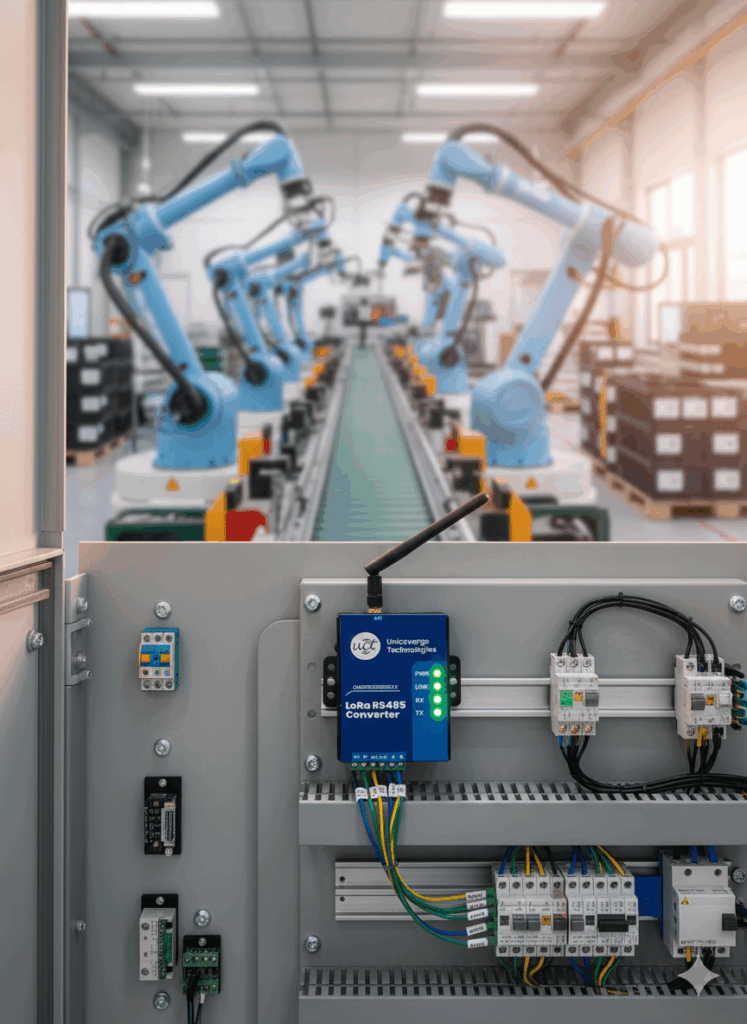
RS485 has been a cornerstone of industrial communication for decades. Known for its simplicity, reliability, and ability to support long-distance wired communication, RS485 is widely used in automation systems, including PLCs, sensors, and motor controllers. Its multi-drop capability allows multiple devices to communicate over a single cable, making it ideal for industrial environments. However, as industries evolve, the limitations of wired systems are becoming more apparent, paving the way for innovative solutions like LoRa RS485 Converters.
Challenges with Legacy Wired Systems
While RS485 is reliable, traditional wired systems come with their own set of challenges:
- High Installation Costs: Laying cables across large industrial sites can be expensive and time-consuming.
- Maintenance Issues: Wires are prone to wear and tear, leading to frequent repairs and downtime.
- Limited Scalability: Expanding a wired network often requires significant infrastructure changes.
- Physical Vulnerabilities: Cables are susceptible to damage from environmental factors like moisture, heat, and physical stress.
These challenges highlight the need for a more flexible and cost-effective solution, which brings us to the emergence of LoRa RS485 Converters.
Emergence of LoRa RS485 Converters
What is a LoRa RS485 Converter?
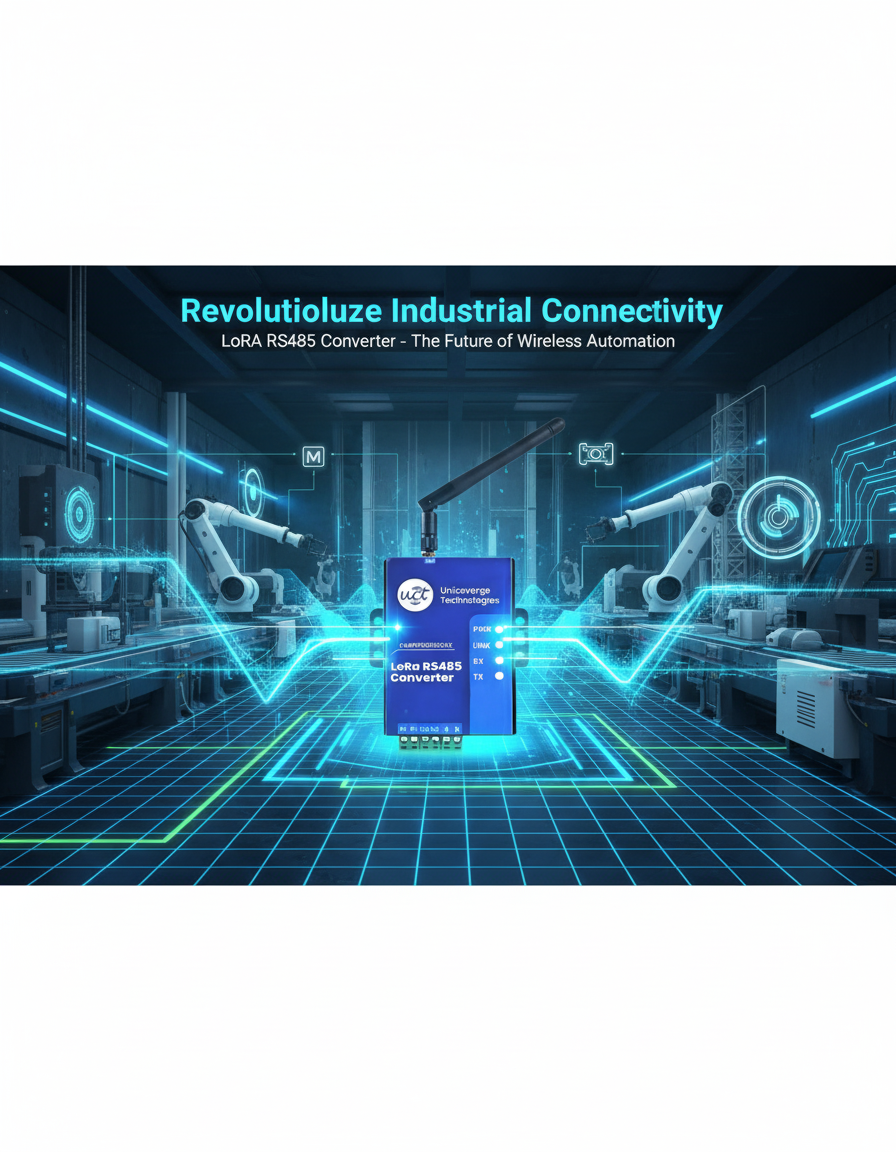
A LoRa RS485 Converter is a device that combines the long-range, low-power wireless communication of LoRa with the robust, wired communication of RS485. It acts as a bridge, enabling legacy RS485 devices to communicate wirelessly over long distances without the need for extensive cabling.
Basics of LoRa and RS485 Technologies
- LoRa (Long Range): A wireless communication protocol designed for long-range, low-power applications. It is ideal for industrial IoT due to its ability to transmit data over several kilometers, even in challenging environments.
- RS485: A wired communication standard known for its reliability and simplicity in industrial settings.
Converter Functionality and Key Specifications
LoRa RS485 Converters typically feature:
- Support for Modbus RTU protocols
- Long-range communication (up to 10-15 km in open areas)
- Low power consumption
- Rugged design for industrial environments
- Easy integration with IoT platforms
Key Benefits of LoRa RS485 Converters
Wireless Connectivity and Long-Range Communication
LoRa RS485 Converters eliminate the need for extensive cabling, enabling wireless communication over long distances. This is particularly beneficial for industries with large, distributed operations, such as agriculture, manufacturing, and logistics.
Cost and Maintenance Savings
By reducing the need for physical cables, these converters significantly lower installation and maintenance costs. They also minimize downtime caused by cable damage or wear and tear.
Enhanced Operational Efficiency
With real-time data transmission and remote monitoring capabilities, LoRa RS485 Converters improve operational efficiency. They enable faster decision-making and better resource management, making them a valuable asset for modern industries.
Common Challenges and Troubleshooting
Protocol and Configuration Issues
Integrating LoRa RS485 Converters with existing systems can sometimes be challenging due to protocol mismatches or configuration errors. Proper documentation and technical support can help overcome these hurdles.
Connectivity and Interference Management
Wireless systems are prone to interference from other devices or environmental factors. Using proper frequency planning and signal optimization techniques can mitigate these issues.
Security Measures for Wireless RS485 Networks
Potential Vulnerabilities
Wireless communication introduces new security risks, such as unauthorized access and data interception. These vulnerabilities must be addressed to ensure reliable operation.
Encryption and Secure Communication Practices
LoRa RS485 Converters often come with built-in encryption protocols to secure data transmission. Implementing additional security measures, such as device authentication and network monitoring, can further enhance security.
Hardware Durability and Environmental Suitability
Rugged Design and Electrical Protections
Industrial environments are harsh, requiring devices that can withstand extreme conditions. LoRa RS485 Converters are designed with rugged enclosures, electrical surge protection, and resistance to environmental factors like dust and moisture.
Suitable Industrial Environments
These converters are ideal for industries such as manufacturing, agriculture, and logistics, where durability and reliability are critical.
Advanced Features and Firmware Management
Remote Configuration and OTA Updates
One of the standout features of LoRa RS485 Converters is their ability to be configured remotely. Over-the-air (OTA) updates ensure that devices are always running the latest firmware, reducing the need for on-site maintenance.
Multi-Device Networking Capabilities
LoRa RS485 Converters support networking multiple devices, enabling seamless communication and data sharing across an entire industrial site.
Integration with Modbus and IoT Gateways
Modbus RTU Compatibility
LoRa RS485 Converters are fully compatible with Modbus RTU protocols, making them easy to integrate into existing industrial automation systems.
Connection to IoT Platforms for Data Analytics
By connecting to IoT gateways, these converters enable real-time data analytics, predictive maintenance, and other advanced features that drive operational efficiency.
Modernizing Legacy Systems with LoRa RS485 Converters
Transitioning from Wired to Wireless IoT
Upgrading from wired to wireless systems can seem daunting, but LoRa RS485 Converters make the transition seamless. They allow industries to modernize their operations without replacing existing RS485 devices.
Scalability and Network Design Tips
LoRa networks are highly scalable, making them ideal for growing industrial operations. Proper network design ensures optimal performance and future-proof connectivity.
Industry-Specific Use Cases
Smart Agriculture and Irrigation
LoRa RS485 Converters enable remote monitoring and control of irrigation systems, improving water efficiency and crop yields.
Manufacturing Automation and Predictive Maintenance
These converters streamline manufacturing processes by enabling real-time data collection and predictive maintenance, reducing downtime and increasing productivity.
Healthcare Monitoring
In healthcare, LoRa RS485 Converters facilitate reliable communication between medical devices, ensuring accurate monitoring and timely interventions.
Logistics and Asset Tracking
LoRa RS485 Converters improve supply chain visibility by enabling real-time tracking of assets, reducing losses and improving efficiency.
Conclusion
LoRa RS485 Converters are revolutionizing industrial connectivity by combining the best of wired and wireless technologies. They offer a cost-effective, scalable, and efficient solution for modernizing legacy systems and enabling industrial IoT. If you’re looking to enhance your operations, consider adopting Uniconverge’s tailored solutions to stay ahead in the ever-evolving industrial landscape.