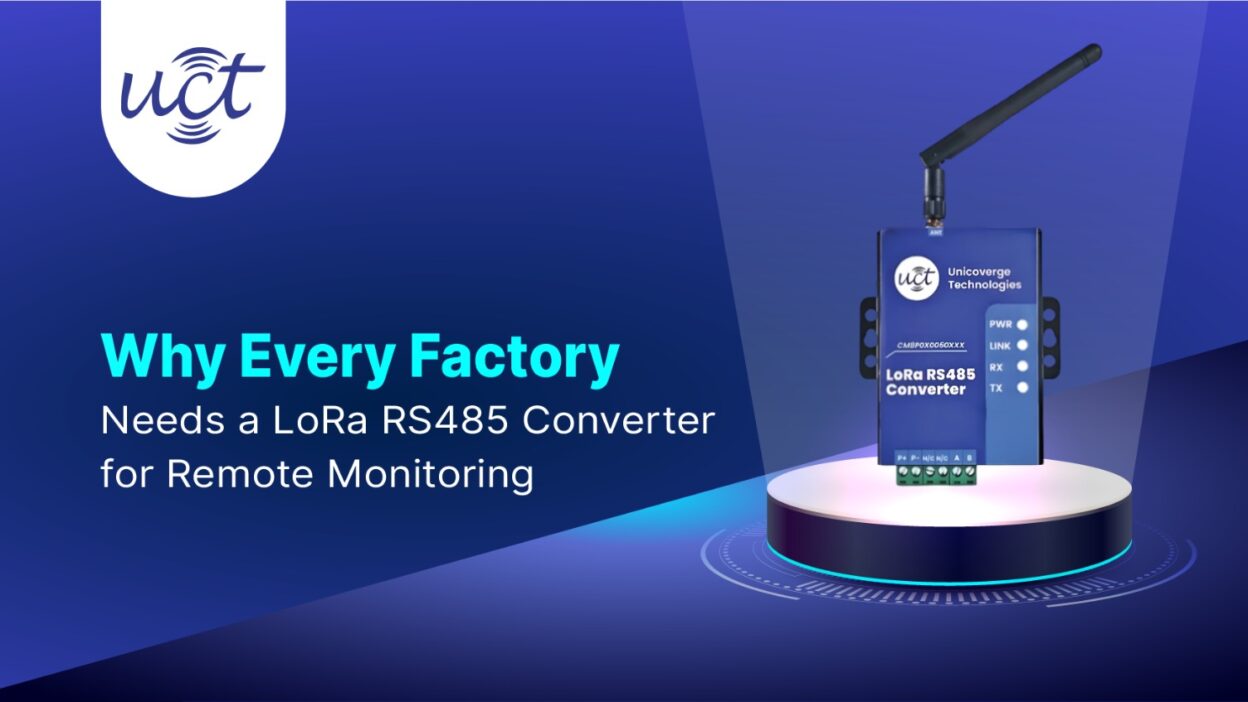
Factories are the heart of modern industries, but running them efficiently is no small task. From monitoring machines to managing energy use, there’s a constant need for better tools to make operations smoother, faster, and more cost-effective. That’s where the LoRa RS485 converter comes in—a small but powerful device that’s transforming how factories monitor and manage their processes remotely.
In this article, we’ll explore what a LoRa RS485 converter is, why it’s essential for factories, and how it can help you save money, improve efficiency, and future-proof your operations.
Introduction: The Need for Smarter Monitoring in Factories
Factories today face a unique challenge: they need to produce more, faster, and at a lower cost, all while maintaining high quality. To achieve this, many factories are turning to remote monitoring and automation. These technologies allow factory managers to track operations in real-time, identify problems early, and make data-driven decisions.
However, many factories still rely on older systems like RS485, a wired communication protocol that’s been around for decades. While reliable, these systems can be expensive to install and maintain. This is where the LoRa RS485 converter shines—it bridges the gap between old wired systems and modern wireless networks, making it easier than ever to monitor and manage factory operations.
What is a LoRa RS485 Converter
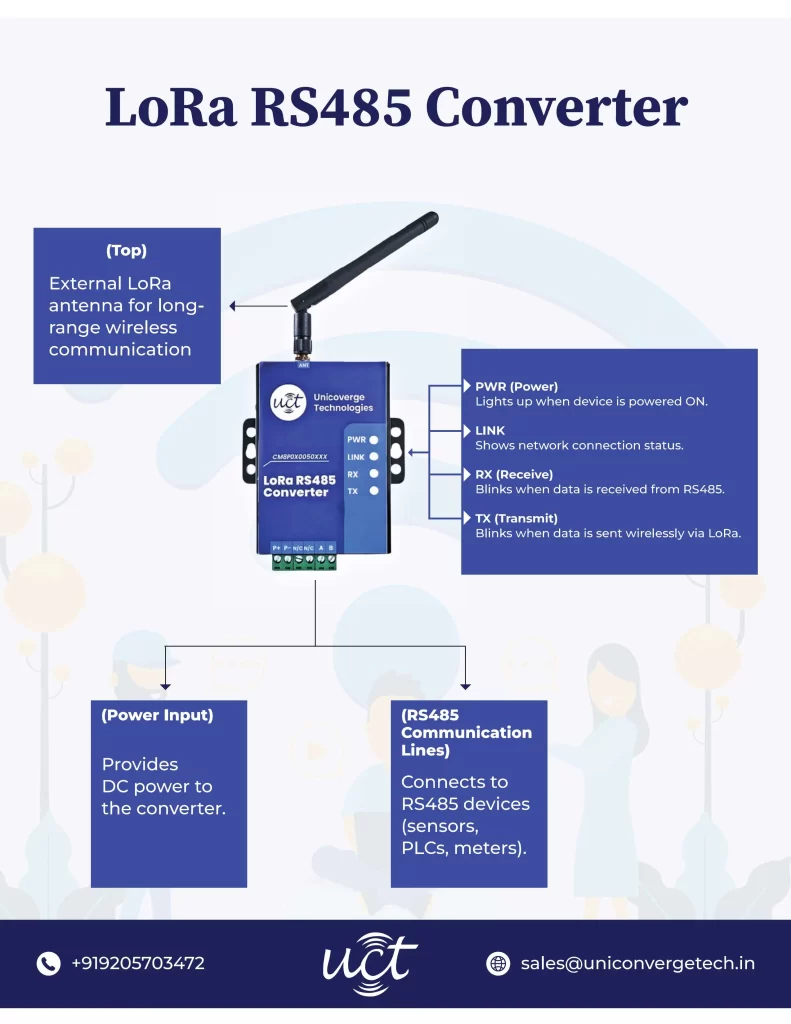
Let’s break it down step by step:
- LoRa Technology: LoRa stands for “Long Range.” It’s a wireless communication technology designed for IoT (Internet of Things) applications. LoRa is known for its ability to send data over long distances (up to 3 kilometers in open areas) while using very little power. This makes it perfect for factories, where devices may be spread out over large areas.
- RS485 Protocol: RS485 is a wired communication standard that’s widely used in industrial settings. It connects devices like sensors, meters, and controllers, allowing them to share data.
- The Converter’s Role: A LoRa RS485 converter acts as a bridge between these two technologies. It takes data from RS485 devices and sends it wirelessly using LoRa. This means you can keep using your existing RS485 equipment but make it part of a modern, wireless system.
Why is This Important?
Many factories have invested heavily in RS485 devices over the years. Replacing all this equipment with new wireless devices would be expensive and time-consuming. A LoRa RS485 converter allows you to upgrade your system without replacing your existing devices, saving you both time and money.
Why Do Factories Need LoRa RS485 Converters?
Here are some of the biggest reasons why every factory should consider using LoRa RS485 converters:
1. Save Money on Wiring
Traditional RS485 systems require a lot of wiring to connect devices. This wiring can be expensive to install, especially in large factories, and maintaining it over time adds to the cost. By switching to LoRa, you can eliminate most of this wiring, significantly reducing installation and maintenance costs.
2. Monitor from Far Away
LoRa is designed for long-distance communication. It can send data over several kilometers, even in large industrial facilities. This makes it ideal for factories with multiple buildings or outdoor areas. Plus, LoRa is highly resistant to interference, so you can rely on it even in noisy environments.
3. Use Smart Sensors
LoRa RS485 converters work seamlessly with modern smart sensors, which can monitor things like temperature, pressure, humidity, and energy use. These sensors provide real-time data, helping you automate processes and improve efficiency.
4. Easily Expand Your System
LoRa networks are highly scalable. They can support thousands of devices, so as your factory grows, you can easily add more sensors and machines without any major changes to your system.
5. Enable Remote Monitoring
With a LoRa RS485 converter, you can monitor your factory’s operations from anywhere. This is especially useful for factories with multiple locations or for managers who need to oversee operations remotely.
How Factories Use LoRa RS485 Converters
The versatility of LoRa RS485 converters makes them useful in a wide range of applications. Here are some examples:
1. Energy Monitoring
Factories use a lot of energy, and even small inefficiencies can add up to big costs. LoRa RS485 converters allow you to monitor energy use in real-time, helping you identify inefficiencies and reduce waste.
2. Process Monitoring
From tracking machine performance to monitoring production lines, LoRa RS485 converters make it easy to keep an eye on critical processes. This ensures everything runs smoothly and helps you catch problems early.
3. Water and Gas Metering
LoRa RS485 converters can connect to water and gas meters, allowing you to monitor usage remotely. This helps you manage resources more effectively and detect leaks before they become major issues.
4. Smart Building Management
In addition to monitoring machines, LoRa RS485 converters can be used to automate building systems like lighting, heating, and security. This makes your factory more efficient and reduces energy costs.
5. Factory Floor Monitoring
LoRa RS485 converters can track everything from machine performance to worker safety, giving you a complete picture of what’s happening on the factory floor.
Predictive Maintenance: Fix Problems Before They Happen
One of the most exciting benefits of LoRa RS485 converters is their role in predictive maintenance. Here’s how it works:
- Continuous Data Collection: Sensors connected via LoRa networks collect data from machines 24/7.
- Early Problem Detection: This data is analyzed to identify early signs of wear and tear or other issues.
- Preventive Action: By addressing problems before they escalate, you can avoid costly downtime and extend the life of your equipment.
For example, if a sensor detects that a machine is running hotter than usual, it can alert your maintenance team to check it before it breaks down.
Key Features and How to Set It Up
Here’s what you need to know about LoRa RS485 converters:
Key Features
- Power: Runs on 9-24 VDC.
- Range: Sends data up to 3 kilometers (line of sight).
- Low Power: Uses less than 1 watt of power.
- Compatibility: Supports Modbus RTU, a common protocol for RS485 devices.
- Protection: Built-in safeguards against voltage issues, short circuits, and static electricity.
- Mounting Options: Can be mounted on walls or rails for easy installation.
Setup Tips
- Use high-quality cables for RS485 connections to ensure reliable communication.
- Place the LoRa antenna in a high, open area to maximize signal strength.
- Use diagnostic tools like oscilloscopes to troubleshoot any issues during setup.
Challenges and How to Overcome Them
While LoRa RS485 converters are incredibly useful, there are a few challenges to keep in mind:
- Data Speed: LoRa is designed for small amounts of data, so it’s not ideal for high-speed applications. However, it works perfectly for most monitoring tasks.
- Signal Quality: Proper antenna placement is crucial for getting a strong signal. Avoid placing antennas near metal objects or other sources of interference.
- Installation: Take the time to plan your setup carefully to avoid common issues like signal interference or wiring errors.
Future-Proof Your Factory
LoRa RS485 converters are not just a solution for today—they’re ready for the future. Here’s why:
- Remote Updates: You can update the converter’s software remotely, so it stays compatible with new technologies.
- Scalability: LoRa networks can handle thousands of devices, making them perfect for growing factories.
- IoT Integration: LoRa RS485 converters work seamlessly with other IoT devices, helping you build a smarter, more connected factory.
Conclusion: A Must-Have for Modern Factories
In summary, LoRa RS485 converters are a simple yet powerful tool for modern factories. They help you monitor operations remotely, save money on wiring, and prevent problems before they happen. Plus, they’re easy to set up and work with your existing equipment.
If you’re looking to improve efficiency, cut costs, and stay ahead in the industrial world, it’s time to embrace this technology. The future of factories is wireless, and LoRa RS485 is leading the way!